|
|
|
|
SPHYNX OUTCROSS PROGRAM While the Sphynx are generally healthy cats, a carefully designed small outcross program introduces new gene pools and thereby should increase the overall health of the Sphynx breed. The Sphynx gene pool is still limited due to the fact Sphynx are still considerably rare. Outcrossing should be done by those with years of experience and carefully done as outcrossing is still tricky. While many believe that outcrossing is the answer, the true ramifications of outcrossing will not be known for years to come. MYTH: Outcrosses are always healthy. This is not necessarily true. This needs to be done by someone who is experienced and has a good knowledge of genetics and how to breed properly. MYTH: There is also a common belief that outcrossing decreases HCM. This is false. The most recent study shows 17 percent of Sphynx have HCM and Domestic Shorthairs have it at a rate of 16 percent. MYTH: More outcrossing is better. Not necessarily. Every cat has a set of genes and some of those genes may be faulty. It is important to maintain the wonderful Sphynx personality and looks. More outcrossing can dilute this. Also if the Sphynx used to begin with was not a fabulous in all aspects, then the outcrossing most likely will not be successful. The gene for the hairlessness in Sphynx is recessive. The first generation of the Sphynx outcrosses are all normal haired, but carrying for the bald gene. If you are considering adopting a Sphynx - please consider getting a less expensive companion with hair! Two are better than one! Please see my page - Two are Better The accepted outcross allowed by CFA is the Domestic Shorthair (DSH). The accepted outcrosses in TICA are American Shorthair, Devon Rex. Devons have their own set of health issues - such as immunity, luxating patella, spasticity and Vitamin K bleeding disorder, so in my opinion, it is not a good choice for an outcross. SPECIAL NOTE: There are some breeders trying to create new breeds using the baldness of the Sphynx combined with another extreme trait. These so-called breeds (Elves, Dwelves, Bambinos,etc) are NOT recognized by any association and do NOT have true registration papers. Reputable Sphynx breeders are working hard to preserve and protect the breed as it is. These other breeds may have serious health issues to be concerned about - the Elf cats are extremely prone to ear issues and the Bambinos/Minskins may have lordosis. This is a general table of the progression of what happens with a Sphynx outcross program (Not all breeders follow this program exactly):
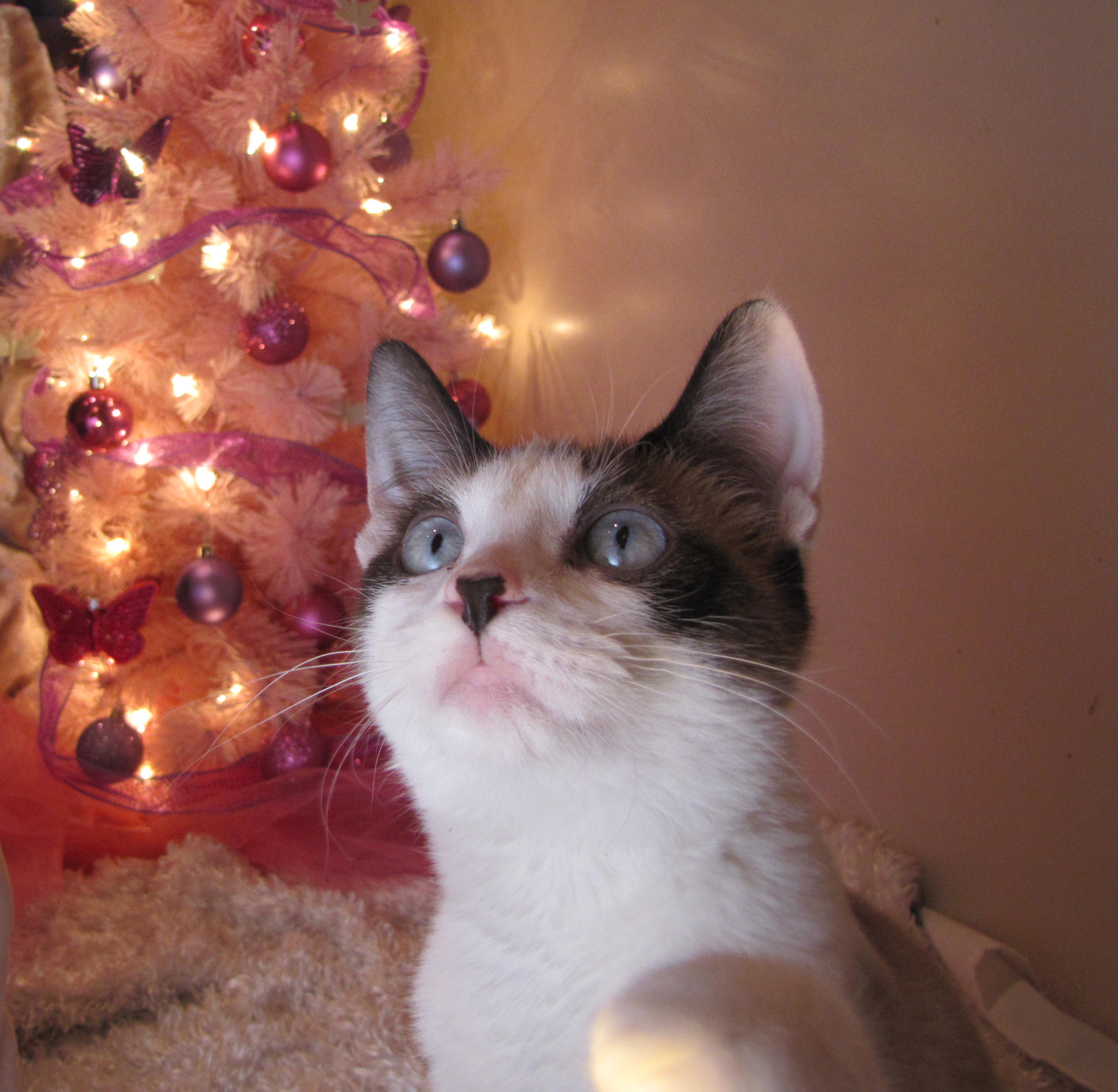
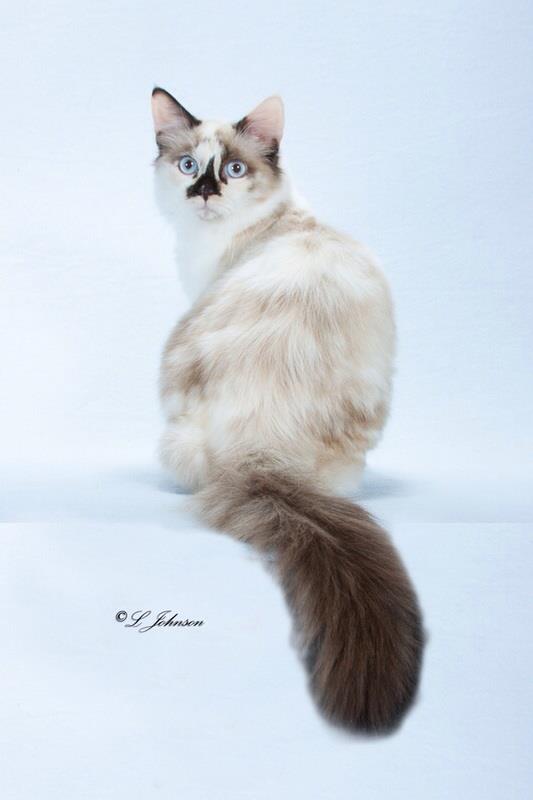
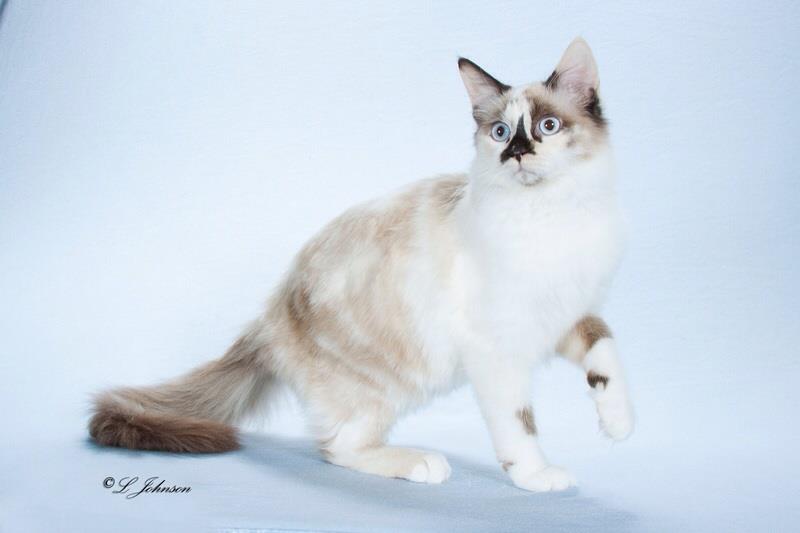
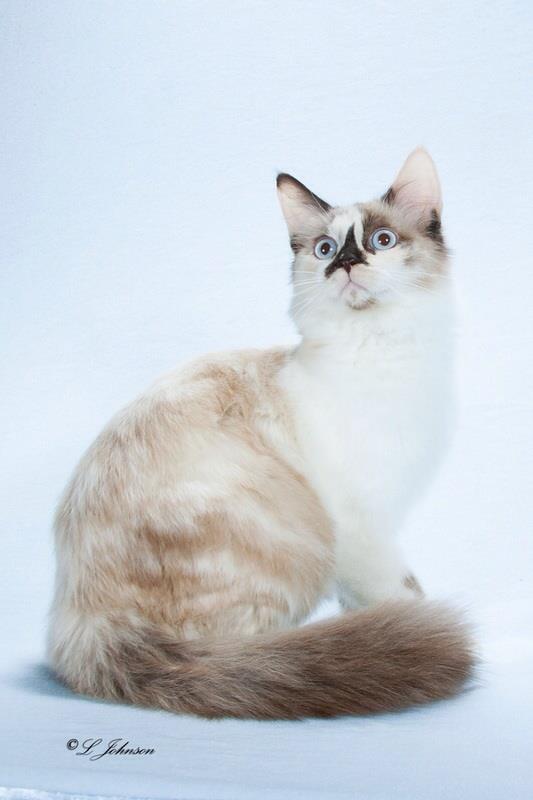
Here are some photos of my outcross program:
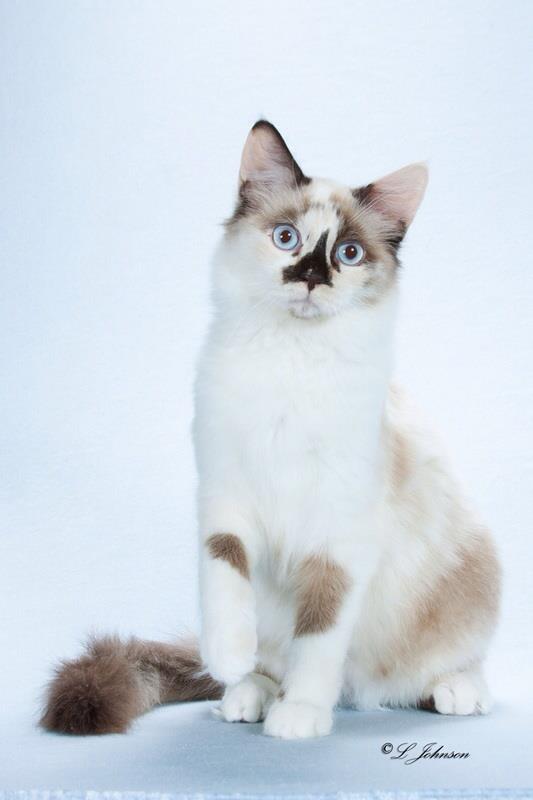
This is Polar Bear... she is out of a DSH and TGC Destynys Wrinkled Jeans. Polar Bear's mom has a fabulous personality and this is specifically why I was interested in doing this outcross.
Below is one of Polar Bear's F2 Babies - Lily!!! She is a fine example of a Sphynx... if you can see past the hair... she has all the attributes a good Sphynx should have. A well planned program can give you excellent type even at the 2nd generation. Lily is simply stunning!!! Thanks to Kathy Keeley for these photos, showing her and most importantly being a good mommy. REGIONAL WINNING SUPREME GRAND MASTER Lily No Bare of Destynys
Copyright (©) Citizenkat Sphynx, 2012. No parts of this website may be reproduced without permission
|